
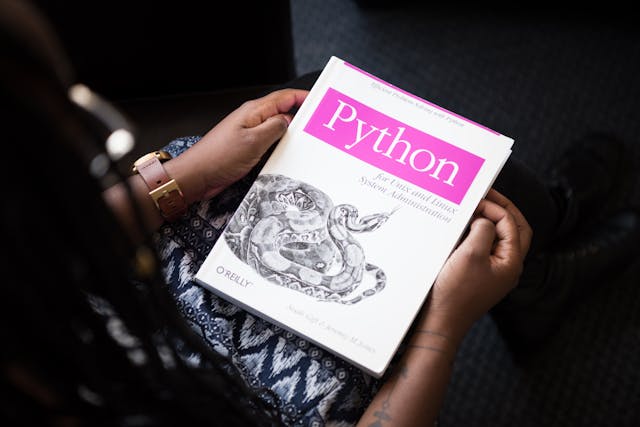
Have you ever wondered how video games are created? Perhaps you’ve been inspired by the creativity of game developers and want to try your hand at programming? In this tutorial, we’ll explore how you can start programming in Python, one of the most beginner-friendly languages, and even delve into creating simple games using HTML5.
Understanding Python Programming for Beginners
Python is a versatile and easy-to-learn programming language that is widely used in various fields, including game development. Its simplicity and readability make it an ideal choice for beginners who are just starting their programming journey. Whether you’re a complete novice or have some experience with other languages, Python’s straightforward syntax and vast community support make it accessible to everyone.
Why Choose Python for Game Development?
Before diving into the specifics of Python, let’s discuss why it’s a great language for creating games. Python offers several advantages:
- Easy to Learn: Python’s syntax is designed to be intuitive, resembling natural language. This makes it easier for beginners to grasp fundamental programming concepts without getting bogged down by complicated syntax.
- Versatility: Beyond game development, Python is used in web development, data analysis, artificial intelligence, and more. Learning Python opens doors to various career paths and personal projects.
- Abundant Resources: There is a wealth of learning materials available online, from tutorials and forums to comprehensive documentation. This makes it easier to troubleshoot issues and find answers to your questions as you progress.
Best Practices for Learning Python Effectively
Learning Python effectively involves adopting strategies that cater to your learning style and goals. Whether you’re a beginner or looking to deepen your expertise, here are some proven methods to maximize your learning experience.
1. Start with Fundamentals
Begin by mastering Python’s fundamental concepts such as variables, data types, control flow (if statements, loops), and functions. Build a strong foundation to understand how Python processes instructions and manipulates data.
2. Hands-On Practice
Apply theoretical knowledge through hands-on practice. Work on coding exercises, small projects, or challenges to reinforce concepts and improve problem-solving skills. Platforms like LeetCode, HackerRank, and Codecademy offer structured exercises for all skill levels.
3. Learn from Tutorials and Documentation
Utilize online tutorials, guides, and Python’s official documentation to deepen your understanding. Websites like Real Python, Python.org, and YouTube tutorials provide comprehensive resources tailored to different learning styles.
4. Collaborate and Seek Feedback
Engage with the Python community through forums, local meetups, or online communities like Stack Overflow and Reddit. Sharing your projects and seeking feedback from experienced developers can offer insights and improve your coding practices.
5. Build Projects
Create practical projects that align with your interests or career aspirations. Whether it’s developing a web application with Django, analyzing data with pandas, or creating games with Pygame, hands-on projects provide valuable experience and showcase your skills.
6. Explore Advanced Topics Gradually
Once comfortable with basics, explore more advanced Python topics such as object-oriented programming (OOP), database integration, web frameworks (Flask, Django), and specialized libraries (NumPy, TensorFlow). Gradually expand your knowledge to tackle complex challenges.
7. Stay Updated with Industry Trends
Python evolves with new features and trends. Stay updated with blogs, podcasts, and conferences focused on Python programming, artificial intelligence, data science, and other emerging fields. Continuous learning ensures your skills remain relevant.
8. Practice Problem-Solving
Develop problem-solving skills by tackling diverse coding challenges. Practice breaking down problems, devising algorithms, and optimizing code efficiency. Platforms like Project Euler and CodeWars offer challenging exercises to sharpen your skills.
9. Mentorship and Learning Communities
Seek mentorship from experienced developers or join learning communities where you can exchange ideas, receive guidance, and participate in collaborative projects. Mentorship accelerates learning by providing personalized advice and industry insights.
10. Stay Persistent and Enjoy the Journey
Learning Python, like any skill, requires persistence and dedication. Embrace challenges, learn from setbacks, and celebrate achievements along the way. Enjoy the process of discovering Python’s capabilities and applying them creatively.
Effective learning of Python involves a combination of structured learning, practical application, community engagement, and continuous improvement. By adopting these best practices and staying committed to your learning goals, you’ll build a solid foundation in Python programming and unlock opportunities across various domains.
How Long Does It Take to Learn Python?
Learning Python, like any skill, varies in duration depending on your starting point and goals. Let’s explore the time it typically takes to grasp Python programming at different proficiency levels—basic, intermediate, and advanced.
Basic Knowledge of Python
If you’re starting from scratch with no prior programming experience, acquiring a basic understanding of Python can take around:
- Time Frame: Approximately 2 to 3 months.
- Learning Focus: During this phase, focus on mastering fundamental concepts such as variables, data types, conditionals, loops, and basic functions. Practice coding regularly to reinforce your understanding.
Intermediate Proficiency in Python
Once you’re comfortable with the basics, advancing to an intermediate level involves:
- Time Frame: Around 6 months to 1 year.
- Learning Focus: Dive deeper into Python’s advanced features and libraries. Explore topics like object-oriented programming (OOP), file handling, databases, web development frameworks (like Django or Flask), and more complex algorithms.
Advanced Mastery of Python
Achieving proficiency at an advanced level requires:
- Time Frame: Over 1 year or more.
- Learning Focus: Continuously challenging yourself with advanced topics such as data structures, design patterns, concurrency, network programming, and specialized libraries for fields like machine learning, data science, or game development.
Factors Affecting Learning Time
Several factors influence how quickly you can learn Python:
- Prior Experience: Background in programming or familiarity with similar languages can accelerate your learning.
- Learning Method: Effective learning strategies such as hands-on projects, tutorials, and mentorship can expedite understanding.
- Consistency: Regular practice and dedication significantly impact your learning curve. Aim for consistency in coding exercises and projects.
Tips for Efficient Learning
To make the most of your learning journey:
- Set Clear Goals: Define what you want to achieve with Python and break down your learning into manageable milestones.
- Practice Regularly: Apply theoretical knowledge through coding challenges, personal projects, and collaborations.
- Seek Community Support: Engage with online forums, local meetups, or programming communities to share experiences and seek guidance.
Conclusion
Learning Python is a rewarding endeavor that offers endless opportunities in various domains, including game development, web development, data science, and beyond. Whether you’re starting as a novice or aiming for advanced proficiency, Python’s versatility and community support make it an accessible language to master.
Remember, the journey of learning Python is as enriching as the destination. Stay curious, embrace challenges, and enjoy the process of becoming a proficient Python programmer.
Explore further with our beginner’s guide to Python programming and game development, and discover how you can turn your ideas into interactive experiences. Happy coding!